
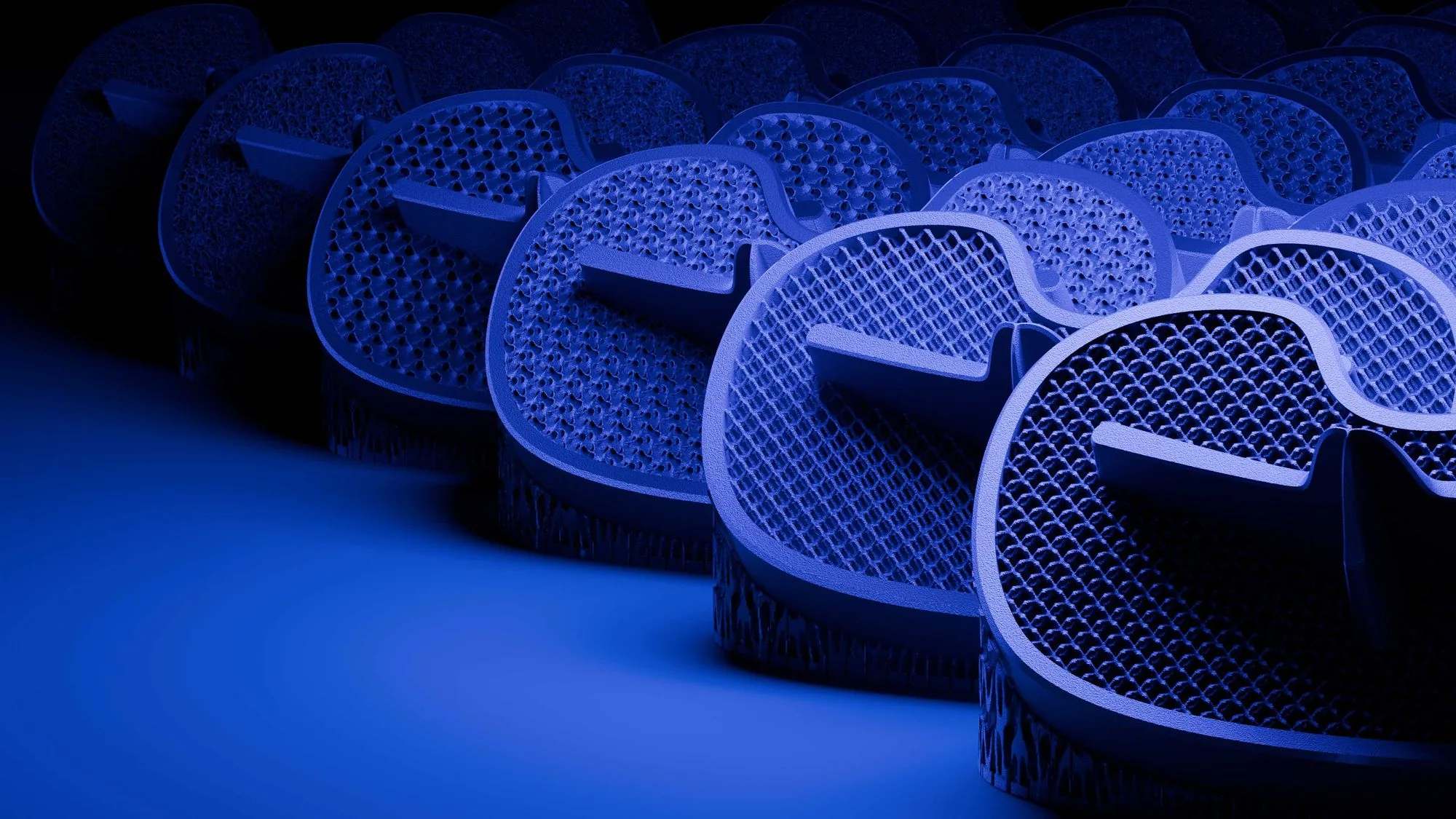
Laser Powder Bed Fusion
Metal 3D printing for mission critical parts.
Printing in Grade 23 Titanium (Ti-6Al-4V) and 17-4 Stainless Steel. ISO 13485 certified, FDA registered, FFL and SOT.
- 3
- FormUp 350 printers
- 12
- Lasers
- 350×350
- Build plate, mm
- ~3 wk
- In-house lead time
01Industries
Industries we serve
Two metals, one process, and a quality system built for regulated work. Here is where that combination earns its keep.
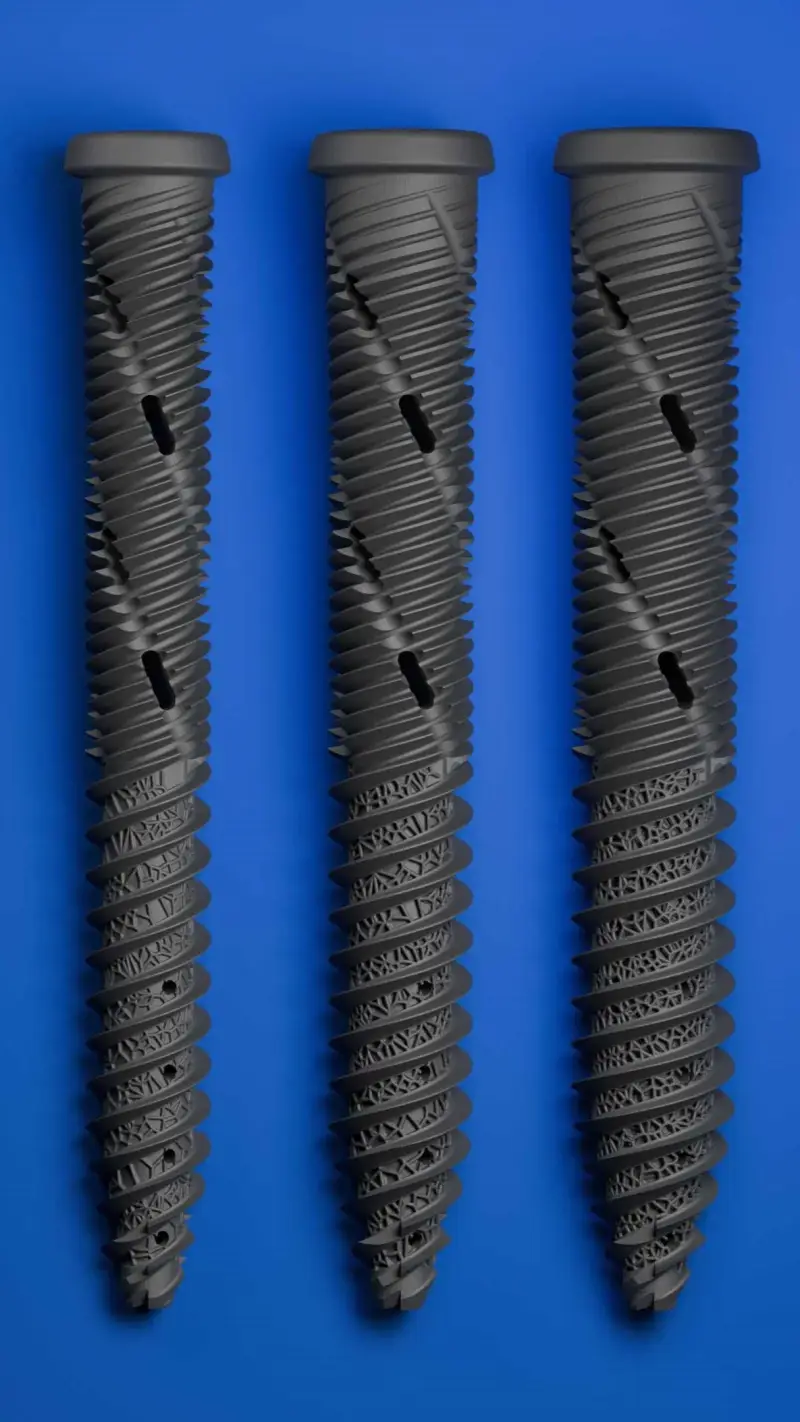
Medical Devices
Implants in Grade 23 titanium, instruments in 17-4 stainless steel. ISO 13485 certified and FDA registered, from first prototype through production.
Learn more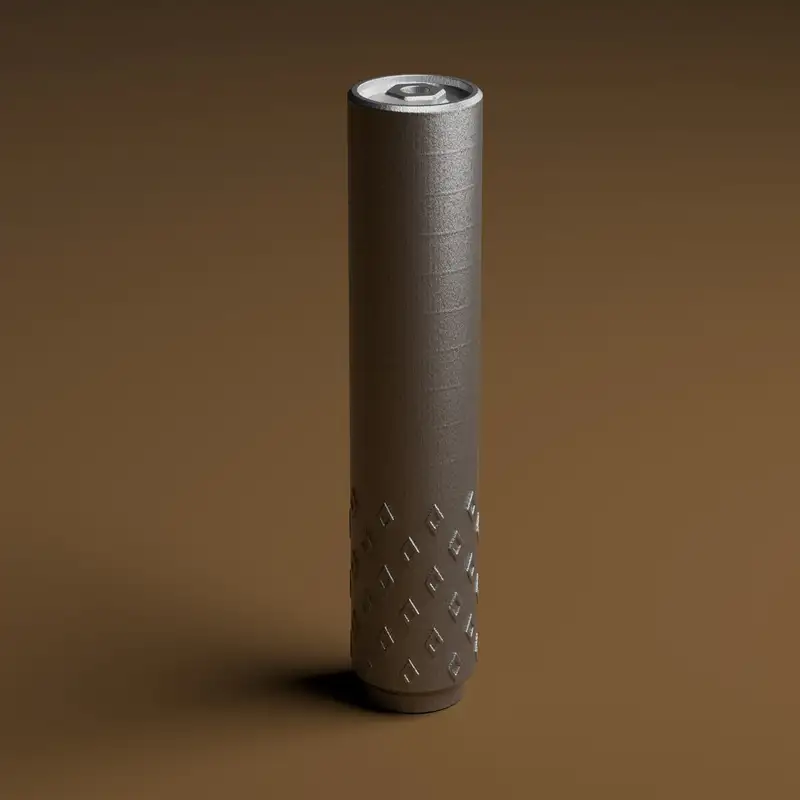
Suppressors
One-piece baffle stacks and monocores in 17-4 and titanium. We hold an FFL and SOT and work with OEMs and licensed manufacturers.
Learn more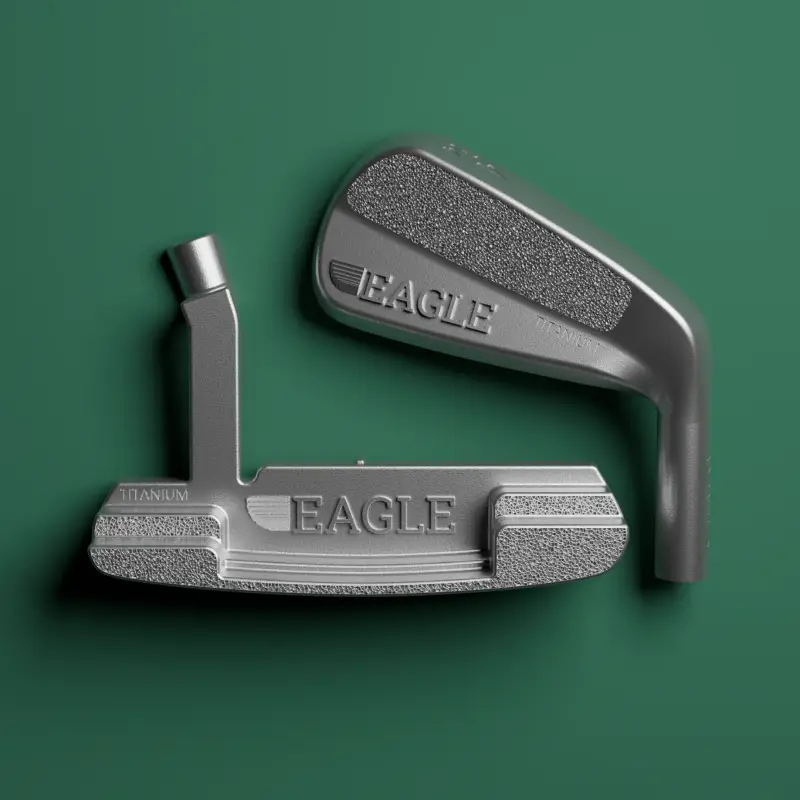
Consumer Goods
Bespoke, high performance parts where design freedom and premium metals earn their keep. Golf is first up.
Learn more02Capabilities
Everything under one roof
A part goes from powder to inspected, finished hardware without leaving our facility. That keeps lead times short and accountability simple.
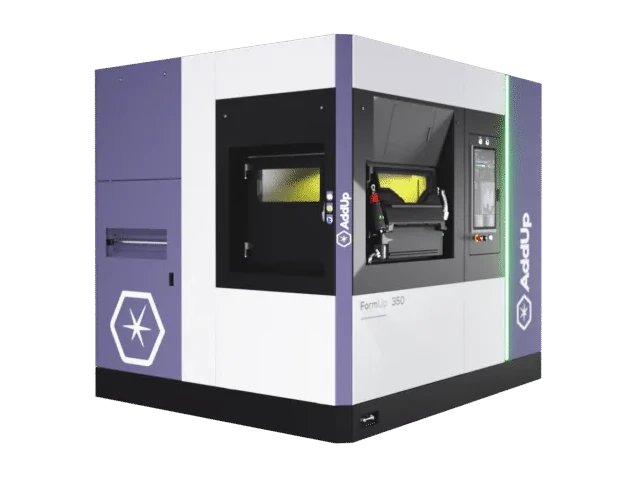
Three AddUp FormUp 350 printers with roller recoaters. Twelve lasers, 30 micron layers, and less support material than blade or brush machines.
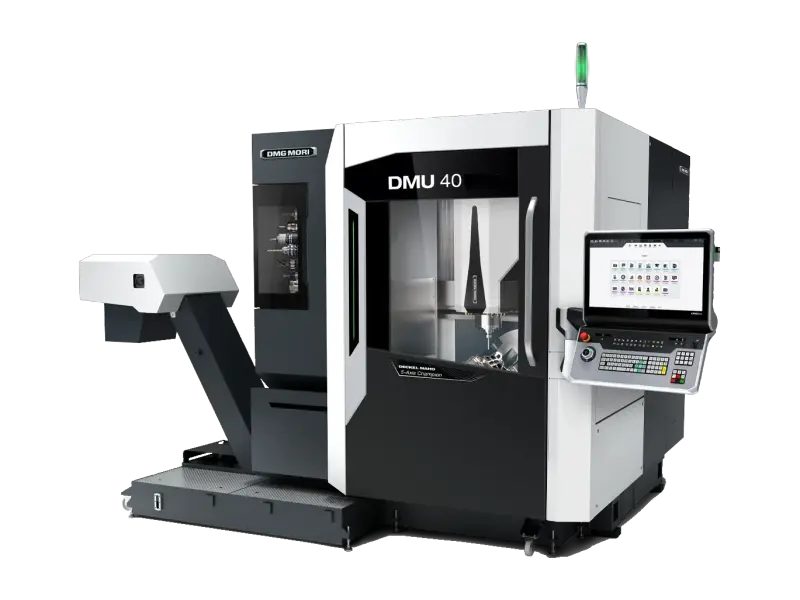
Machine
A DMG Mori DMU 40 Pro 5-axis CNC cuts threads, precision bores, and tight tolerance features on printed parts.
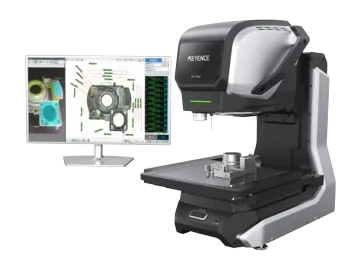
Inspect
Keyence imaging, CMM, oxygen analysis, and material testing are selected to match the drawing, inspection plan, and program requirements.
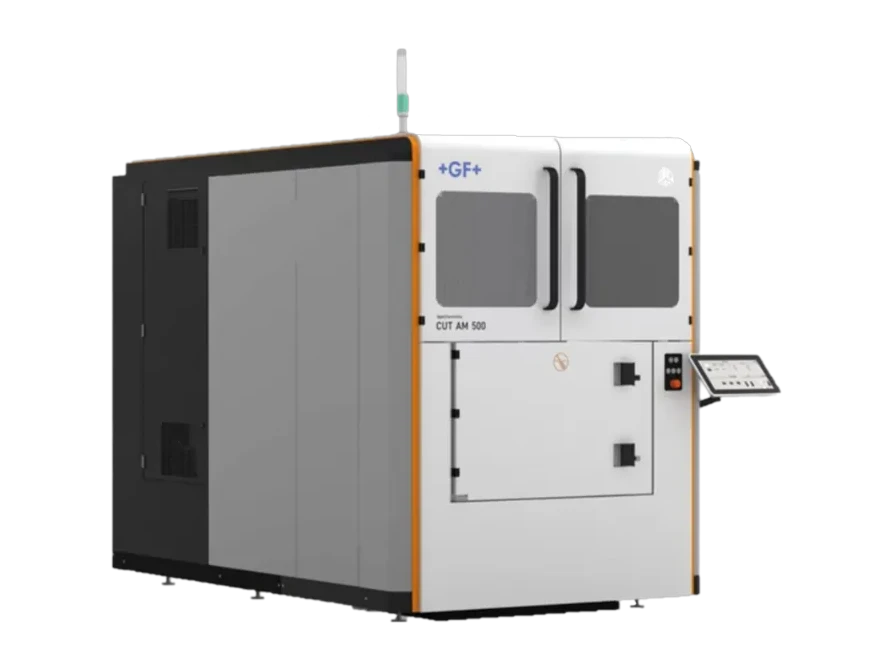
Post-Process
Wire EDM, depowdering, heat treatment, laser marking, and ultrasonic cleaning to ASTM F86 medical standards.
03Materials
Two metals, chosen on purpose
We print Grade 23 titanium (Ti-6Al-4V) and 17-4 PH stainless steel, and only those two. Deep process control on two alloys beats a thin menu of twenty.
Fatigue critical titanium goes out for HIP. 17-4 gets H900 age hardening. Both run through trusted partners, and we tell you that up front.
Compare materials| Property | Ti64 G23 | 17-4 PH |
|---|---|---|
| Best known for | Strength-to-weight and biocompatibility | Hardness and heat tolerance |
| Strength-to-weight | Excellent | Good |
| Corrosion resistance | Very high | High |
| Heat tolerance | Good | Very good |
| Common uses | Implants, suppressors, light strong parts | Suppressors, medical instruments, tooling |
| Post-processing partners | HIP for fatigue-critical parts | H900 age hardening |
04Quality
Champions of quality
An all-digital quality system provides machine monitoring and full traceability. Inspection, testing, and validation are matched to the drawing, purchase order, and risk of the part. We are a certified facility experienced with regulated projects from prototype through production.
Learn more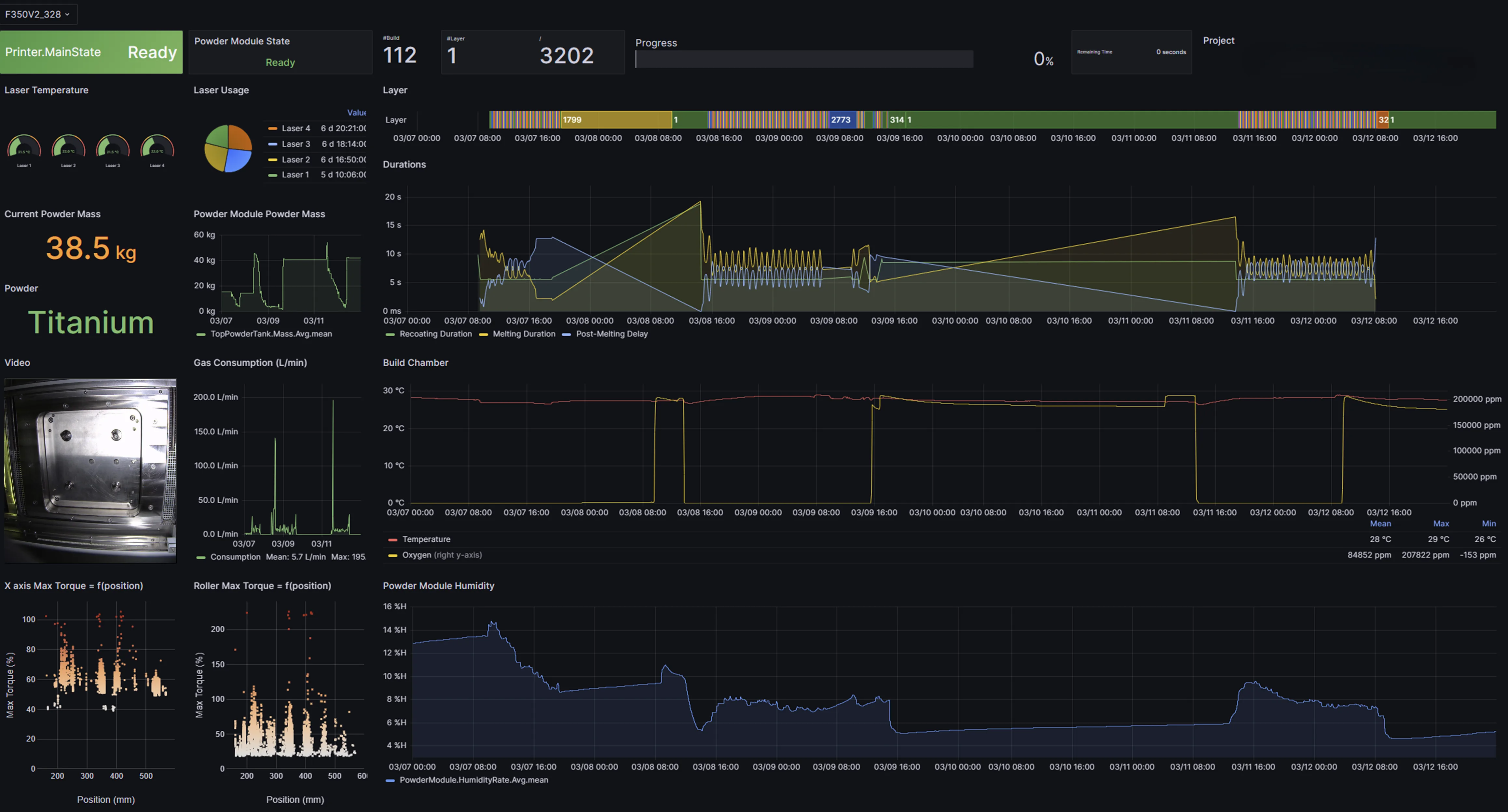
05Design
Lattice. DfAM. Renders.

We design in nTop and SolidWorks: lattice structures, topology optimization, and porous geometry for osseointegration. Send a finished model or a napkin sketch. We will meet you where the design stands.
Our design processWhat is a contract manufacturer?
OEMs, the companies that design medical devices and other products, need a manufacturing partner they can trust. We build designs handed to us by other companies, from first prototype to full production.
How does 3D printing give you an advantage?
Speed, complexity, and accessibility. Parts that are too difficult, too costly, or too low volume to machine efficiently with traditional methods are often a great fit for 3D printing.
Which material should I choose, titanium or stainless steel?
Grade 23 titanium (Ti-6Al-4V) is light, strong, and biocompatible, the go to for implants and weight sensitive parts. 17-4 PH stainless steel is harder and handles heat well, a good fit for suppressors, tooling, and rugged hardware. Not sure? Compare them on our materials page.
What is your average lead time?
About 3 weeks for in-house work. Rush options are available on request.
Credentials & memberships


 FFL / SOT