
Medical Devices
Medical Devices, from Prototype to Production
We are a contract manufacturer for medical device companies. ISO 13485 certified and FDA registered, we print implants in Grade 23 titanium and instruments in 17-4 stainless steel, and take them all the way through post-processing and inspection.
Certifications
ISO 13485 certified. FDA registered.
Our all-digital quality management system was built from the ground up for additive manufacturing. We are a certified facility that can and has handled regulated projects with customers, from first prototype through production.
The people who run your builds are the same people who own the quality system. Nothing gets handed off to a black box.

Implants and instruments
Built in titanium and stainless
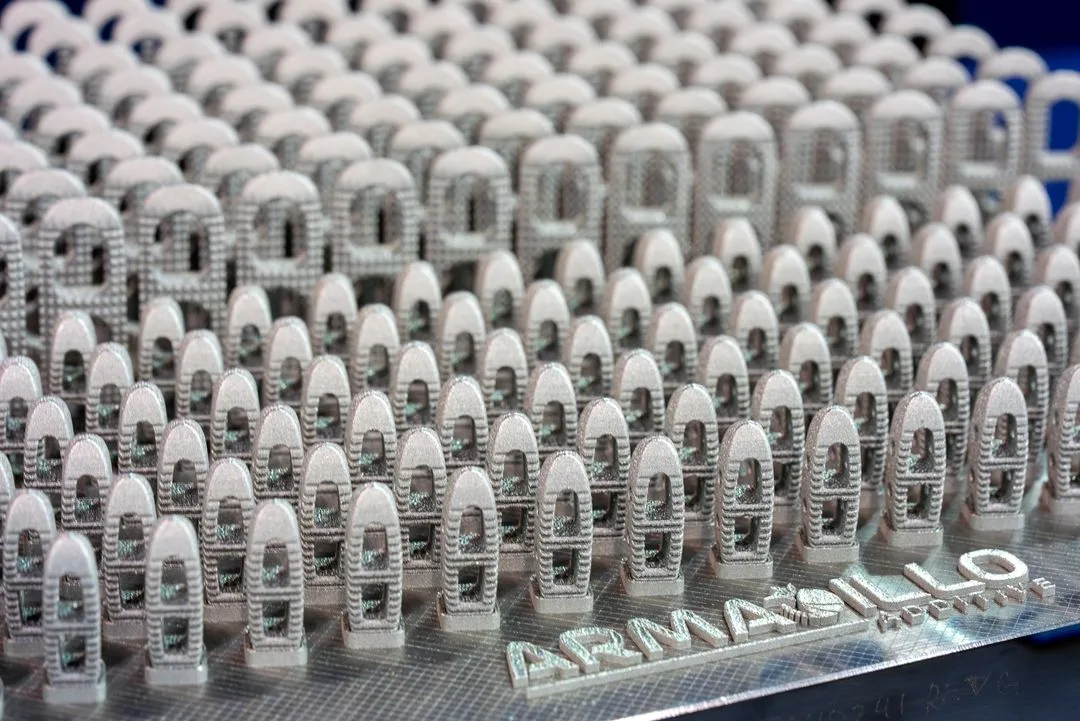
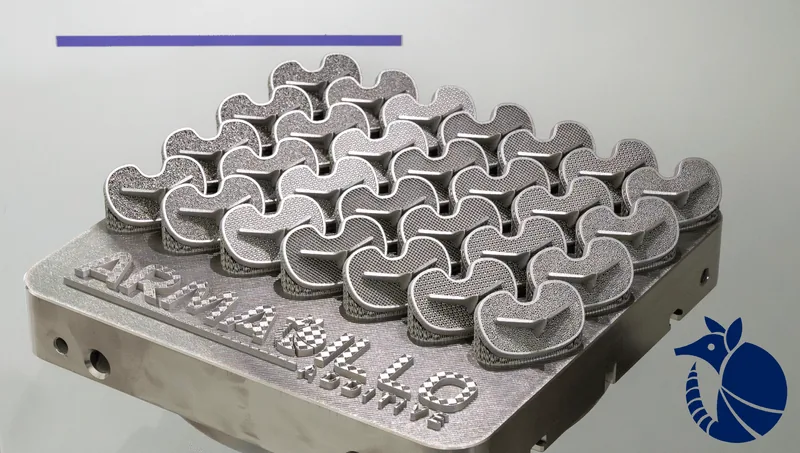
We build implants in Grade 23 titanium (Ti-6Al-4V), the biocompatible alloy trusted across orthopedics. Spinal cages, hip stems, and knee trays are all in our wheelhouse, from first prototype to production runs.
Surgical instruments, trial components, and case hardware print in 17-4 PH stainless steel, which is hard, strong, and built to take repeated handling and sterilization.
You talk directly to the engineers preparing and running the machines. That keeps changes fast and keeps everyone on the same page.
Design for additive
Porous lattice and DfAM
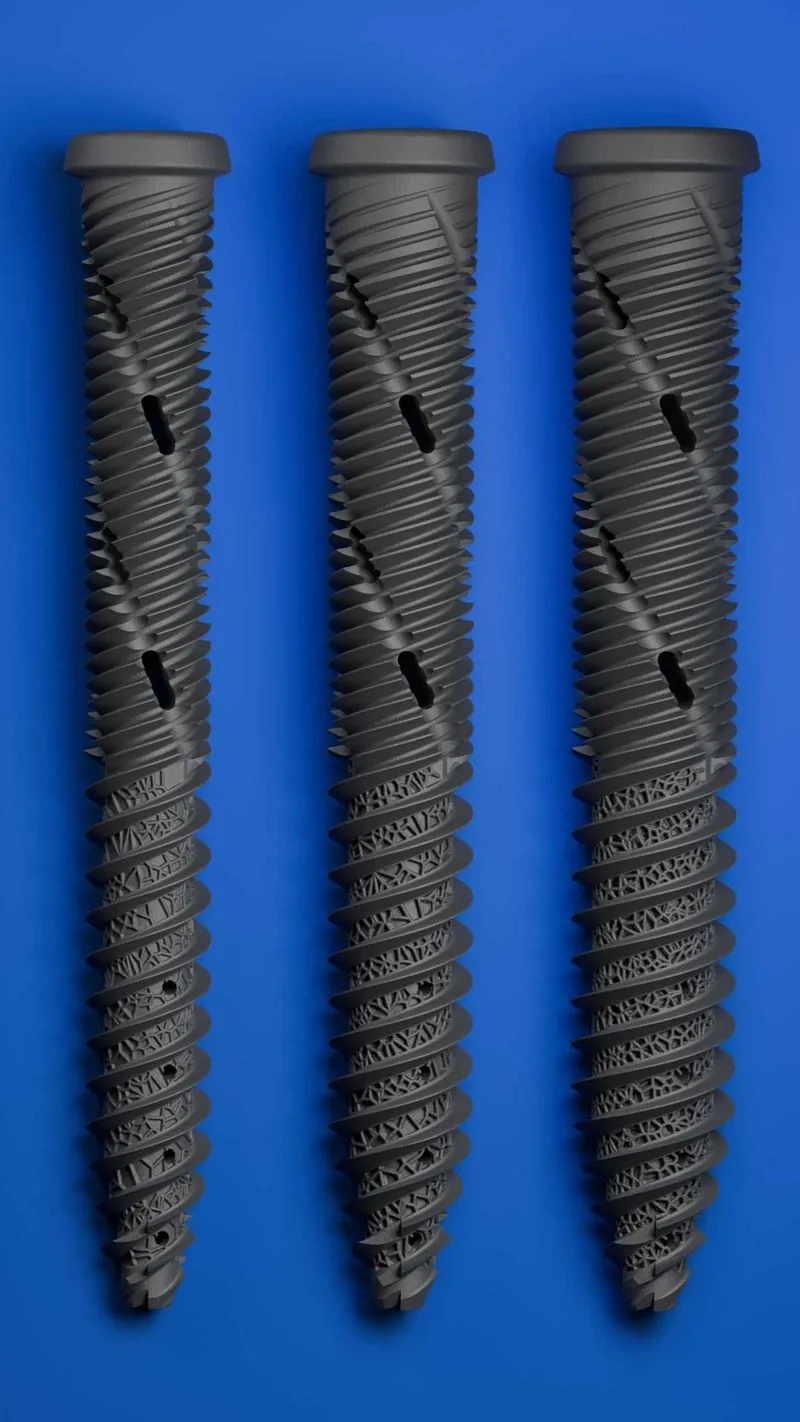
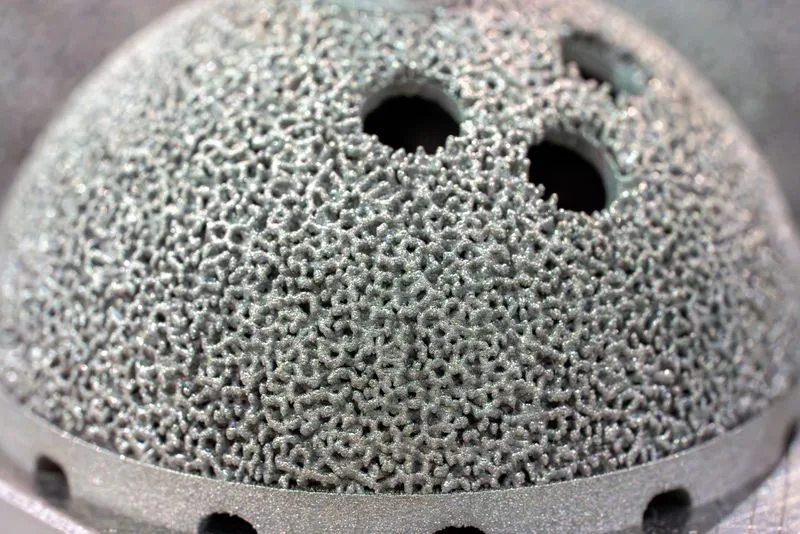
Additive manufacturing lets us print porous lattice structures that encourage osseointegration, right into the body of the implant. Design for additive manufacturing means we work the geometry so it prints clean, performs well, and does not fight the process.
Lattice work is powered by nTop. If your design is not additive-ready yet, our engineers can help get it there.
Our design process
Regulatory
FDA pathway support
Getting a device to market takes more than a good print. We support the regulatory side too, from 510(k) submissions to setting up a Master File so your filing can reference our validated process and materials.
We have walked the FDA road with our own systems, so we know what the documentation needs to show.
See the path to productionWatch
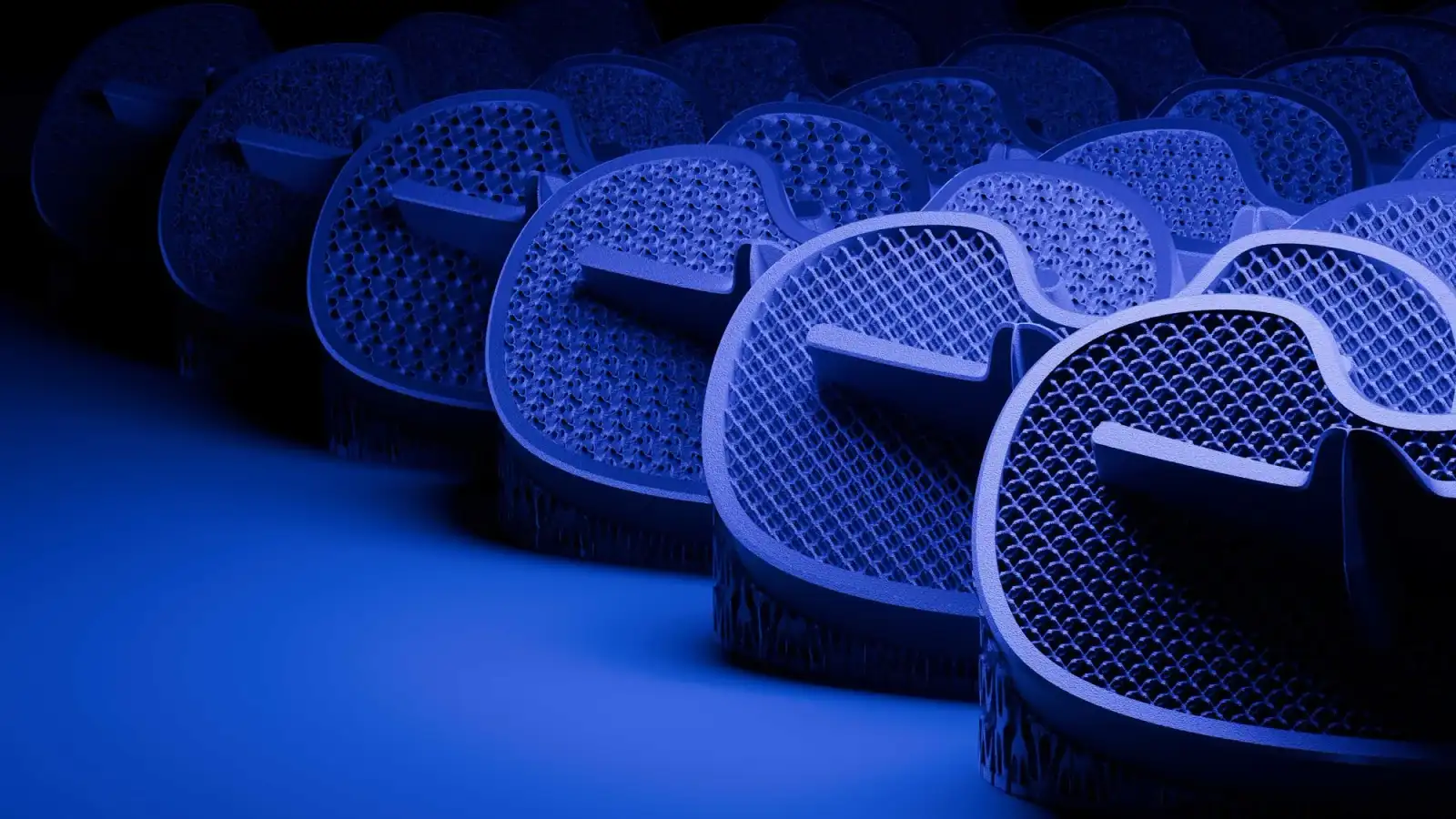
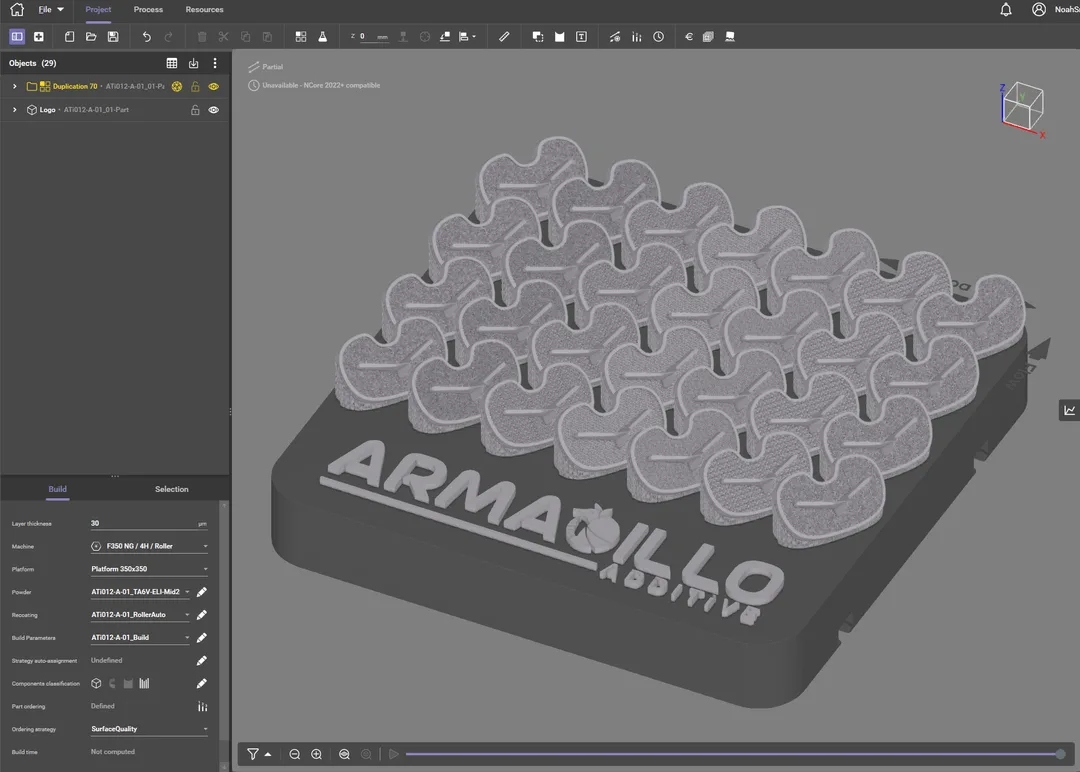
Tibial trays on the FormUp 350
A look at titanium tibial trays coming off one of our AddUp FormUp 350 printers.